FOR IMMEDIATE RELEASE
February 23, 2026
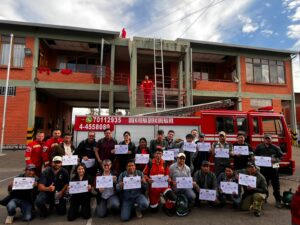
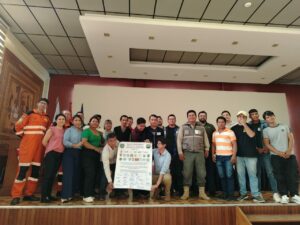
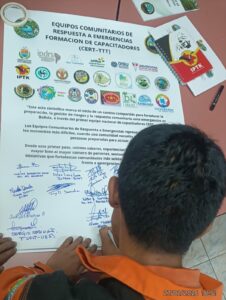
Cochabamba, Bolivia & Oakland, California – Friends of Mother Earth (Amigos de la Madre Tierra), in cooperation with CERT Latin Global, announces the launch of Bolivia’s first Community Emergency Response Team (CERT) Train-the-Trainer Program, a milestone initiative designed to strengthen community-led disaster preparedness and resilience nationwide. The training program will take place in Cochabamba the week of February 23, 2026 and will train and certify a new generation of community instructors who will help build Bolivia’s first nationwide network of local emergency responders.
Bolivia is facing an unprecedented rise in climate-driven disasters, including extreme heat reaching 40–49°C, annual floods affecting over 70,000 families, droughts impacting more than 200,000 families, landslides in high-risk regions, and wildfires burning 1.7–7 million hectares yearly. Rural and Indigenous communities—often the first to respond—face the highest risks. “Our goal through the CERT Train-the-Trainer program is to strengthen local leadership capacity to protect the health and well-being of Bolivian communities. We do this by supporting community-driven approaches to disaster prevention, preparedness, and response” said Dr. Lisa Pascopella, President of Friends of Mother Earth. The new CERT initiative directly addresses these challenges by equipping local leaders with essential skills for rapid and coordinated community-level response.
CERT volunteers assist before, during, and after emergencies. The program trains participants in disaster preparedness, first aid and medical operations, small-fire suppression, light search and rescue, psychological support, and coordination with official responders.
The 40-hour CERT Train-the-Trainer Course combines classroom instruction, hands-on field exercises, and a final disaster simulation. Participants who complete all course components will receive CERT Instructor Certification, enabling them to train future CERT cohorts in their home communities.
Two dozen individuals from several departments will form the inaugural cohort, ensuring broad geographic representation. Trainees will receive lodging, meals, transport support, training materials, protective gear, and ongoing mentorship.
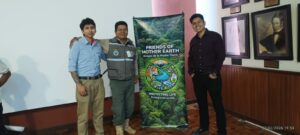
Friends of Mother Earth is a Bolivia-focused environmental and community resilience organization committed to protecting ecosystems, supporting climate adaptation, and strengthening local capacity for disaster management. CERT Latin Global is a volunteer-driven nonprofit that provides disaster-preparedness training and supports community resilience efforts across Latin America.
MEDIA CONTACTS:
Cochabamba Office – Diego Vigabriel
Tel. +591 78360696
dvigabriel@friendsofmother.earth
Oakland Office – Christian Stalberg
Tel. +1 510 421 1405
cstalberg@friendsofmother.earth